
Trekking the Annapurna Circuit Trek. offers some of the most unforgettable experiences on the planet. Beyond the stunning landscapes and rich cultural encounters, the foods and drinks you choose along the route play a major role in maintaining your energy, mood, and overall trekking performance. This guide will help you navigate your culinary options, showing you what to savor, what to avoid, and practical tips to stay healthy and energized throughout your adventure.
Why Food and Drinks Matter on the Annapurna Circuit Trek
Trekking in the Himalayas is physically demanding. On the Annapurna Circuit, trekkers typically walk 4-8 hours a day, often climbing altitudes above 10,000 feet. Your body burns significantly more calories than it does at home, and staying hydrated is crucial. Eating the wrong foods can lead to fatigue, stomach issues, or even altitude sickness.
Key reasons why food matters:
Provides energy for long treks
Supports altitude acclimatization
Prevents dehydration and digestive problems
Maintains immune system strength
Typical Diet Along the Annapurna Circuit
The Annapurna Circuit passes through villages with varying ethnic backgrounds, including Gurung, Thakali, and Tibetan influences. This diversity reflects in local food options. Most tea houses serve a combination of Nepali, Tibetan, and Western foods.
Common Breakfast Options
Dal Bhat (Rice and Lentil Soup) - Traditional Nepali breakfast is heavy in carbohydrates and protein. A small portion in the morning can fuel your trek.
Oatmeal / Porridge - Easy to digest, provides sustained energy, and can be customized with honey or nuts.
Eggs - Boiled or fried eggs are common and a good source of protein.
Tips: Avoid skipping breakfast. It’s easy to feel sluggish mid-morning if you start your day hungry.
Typical Lunch Options
Lunch is usually lighter than dinner to avoid post-meal drowsiness during trekking. Common items include:
Thukpa (Tibetan Noodle Soup) - Warm, light, and comforting. Can be vegetarian or with chicken.
Vegetable Momos (Dumplings) - Steamed or fried, a quick source of carbs. Pair with dipping sauce for flavor.
Sandwiches and Pasta - Some tea houses serve simple Western options for trekkers who prefer something familiar.
Tips: Stick to hot foods to reduce the risk of stomach infections. Avoid raw salads or undercooked vegetables unless you are confident about hygiene.
Typical Dinner Options
Dinner is heavier since trekkers have completed a full day of walking. Popular options:
Dal Bhat - Often served with vegetables, pickles, and sometimes meat. Provides a balanced mix of protein, carbs, and fats.
Thakali Set Meals - Traditional Nepali meal from the Thakali region with rice, lentils, pickles, and a small portion of meat.
Vegetable or Chicken Curry - Served with rice or flatbread (roti).
Tips: Don’t overeat at night. Your body needs energy but also adequate digestion to sleep well at high altitude.
Drinks to Stay Hydrated
Hydration is key on the Annapurna Circuit. Cold mountain air and physical exertion increase water requirements.
Safe Options
Boiled Water - Most tea houses provide boiled water; always use it instead of tap water.
Tea - Milk tea, ginger tea, or lemon tea are popular. They help maintain warmth and provide minor calories.
Electrolyte Drinks - Powdered options are available in larger villages. Good for replacing minerals lost through sweat.
Drinks to Avoid
Unboiled Tap Water - Risk of stomach infections.
Excessive Alcohol - May worsen altitude sickness and dehydrate the body.
Unpasteurized Milk - Can lead to gastrointestinal problems.
Tip: Carry a reusable bottle with a filter if you prefer to refill from streams or natural sources.
What to Eat for Energy and Altitude Acclimatization
Your body requires a balance of carbohydrates, protein, and fats. On long treks, carbs provide immediate energy, protein supports muscle repair, and fats sustain you over extended trekking hours.
Recommended Foods
Carbohydrates: Rice, bread, noodles, porridge, potatoes.
Protein: Lentils, eggs, cheese, yogurt, chicken.
Fats: Nuts, butter, ghee, peanut butter.
Tip: A small snack every 2-3 hours keeps energy levels stable. High-calorie energy bars or trail mix are very useful.
Foods to Avoid on the Annapurna Circuit Trek
While most meals in tea houses are safe and freshly prepared, certain foods can cause digestive issues, particularly at high altitudes where your stomach may be more sensitive:
Raw Vegetables and Salads: These can carry bacteria or contaminants from local water sources, which may lead to stomach upset.
Street Food: Hygiene can be inconsistent in small villages or roadside stalls, so it’s best to stick with food from trusted tea houses.
Excessively Fried Foods: Heavy fried meals are harder to digest and can cause bloating or discomfort during long trekking days.
Tip: Opt for cooked, warm meals and maintain proper hydration to keep your digestion steady and energy levels high.
Snacks for the Trek
Carrying snacks is essential for days when you are walking long distances or reaching remote areas.
Energy Bars - High-calorie, portable, and convenient.
Nuts and Seeds - Almonds, cashews, peanuts provide protein and healthy fats.
Dried Fruits - Dates, apricots, and raisins are rich in natural sugars and minerals.
Tip: Avoid chocolate that melts easily or candy that can attract ants or rodents in teahouses.
Breakfast, Lunch, and Dinner Timing
Maintaining a consistent meal schedule supports energy management:
Breakfast: 7-8 AM – Start the day with carbs and protein.
Morning Snack: 10-11 AM – Trail mix or energy bar.
Lunch (12–2 PM): Opt for a warm, light meal—like noodles, soup, or dal bhat—to recharge without feeling too heavy.
Afternoon Snack (3–4 PM): Grab some nuts or dried fruits to maintain endurance and prevent energy dips before reaching your next tea house.
Dinner: 6-8 PM – Balanced and warm to help with recovery.
Tip: Don’t skip meals even if you feel low appetite due to altitude. Eating smaller, frequent meals is better than one large meal.
Popular Foods You Should Try on Annapurna Circuit
Thakali Dal Bhat - A balanced local meal unique to the Thakali region.
Gundruk Soup - Fermented leafy green soup, rich in vitamins.
Momos - These are Tibetan-style dumplings typically filled with vegetables, chicken, or other meats, and are a popular snack or meal option along the trek.
Tibetan Butter Tea - Salty and energizing, especially in high-altitude villages.
Hydration and Altitude Sickness
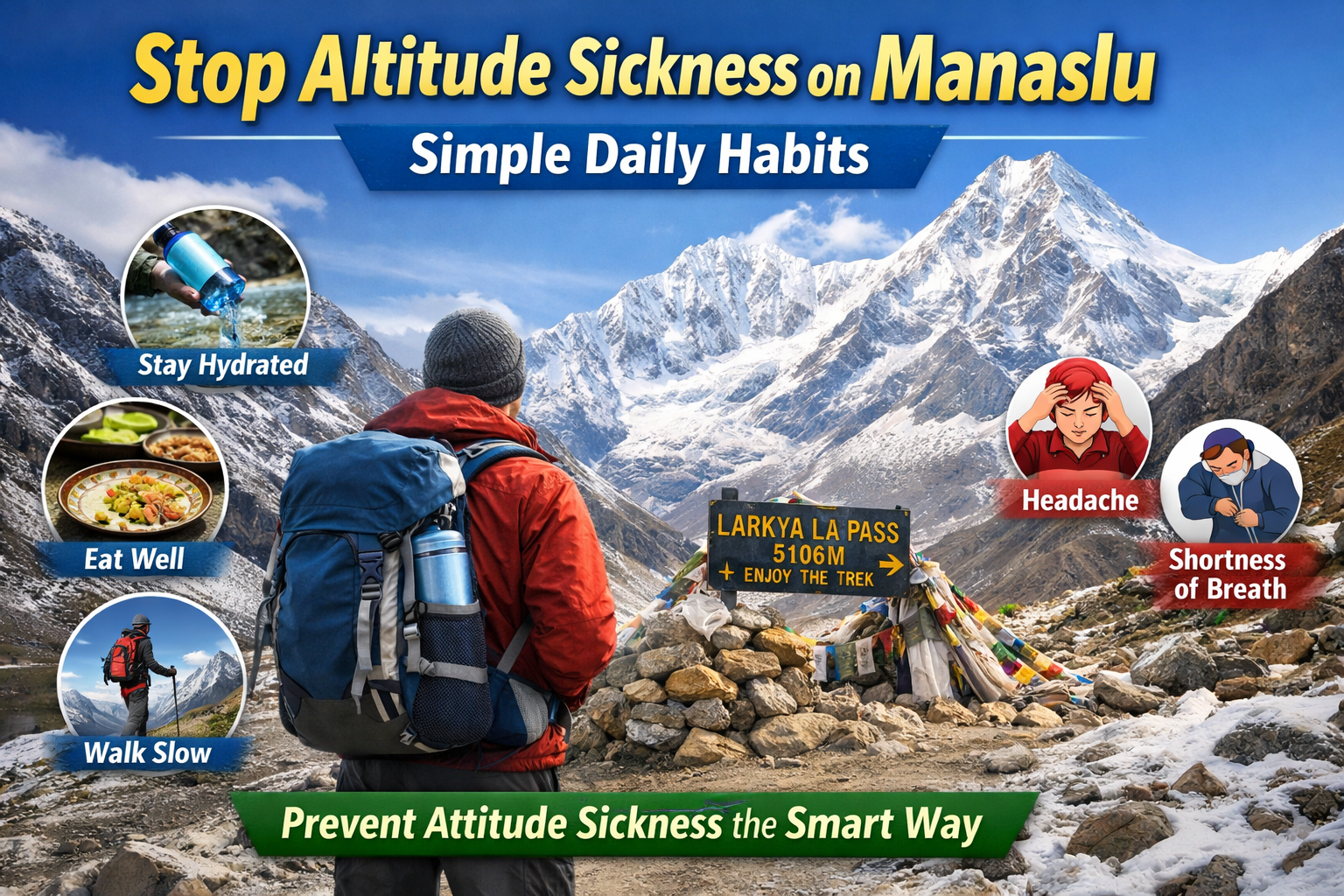
At higher elevations, altitude sickness is a real risk. Hydration can help mitigate its effects:
Drink at least 3-4 liters of water daily.
Include electrolytes to replace lost salts.
Avoid excessive caffeine and alcohol as they worsen dehydration.
Tip: If you feel symptoms like headache, nausea, or dizziness, stop trekking and hydrate. Adjust meals to lighter options to ease digestion.
Cultural Insights Through Food
Eating local foods connects you to the communities along the Annapurna Circuit. Many villages serve specialties tied to their heritage, like:
Thakali Set in Marpha – Famous for apple-based dishes.
Yak Cheese in Upper Mustang – High-calorie cheese used in soups and snacks.
Local Honey in Chame – Natural sweetener with energy-boosting properties.
Respecting local customs while eating also ensures you experience authentic Nepalese culture.
Key Takeaways
Prioritize hot, freshly cooked meals to avoid stomach issues.
Hydration is crucial - aim for 3-4 liters of water daily.
Carry high-calorie snacks like nuts, energy bars, and dried fruits.
Include balanced meals with carbs, proteins, and fats.
Avoid raw vegetables, street food, excess sugar, and alcohol.
Try local specialties to enhance your cultural experience.
Conclusion
Food and drink are an essential part of the Annapurna Circuit Trek experience. From hearty dal bhat to high-energy snacks, the meals you choose affect energy, recovery, and enjoyment. While high-altitude conditions and remote locations present challenges, careful planning, proper hydration, and guidance from Nepal Hiking Team ensure a safe, nutritious, and satisfying culinary experience. By knowing what to eat and what to avoid you can focus on the adventure, culture, and stunning scenery without worrying about meals.
People Also Ask Section Optimized
Q1: Can I drink tap water on the Annapurna Circuit?
No. Tap water may carry bacteria or parasites. Always drink boiled or filtered water.
Q2: Is Dal Bhat safe to eat every day while trekking?
Yes. Dal Bhat is a balanced meal with rice, lentils, and vegetables. It provides sufficient calories and nutrients for trekking.
Q3: What snacks should I carry for long trekking days?
Carry energy bars, nuts, dried fruits, and dark chocolate for quick energy. Avoid snacks that melt or spoil easily.
Q4: How do I avoid altitude sickness through diet?
Stay hydrated, eat easily digestible meals, include carbs and electrolytes, and avoid alcohol or high-fat heavy meals.
Q5: Are fried foods bad while trekking at high altitude?
Yes. Fried foods can cause indigestion and reduce energy efficiency. Stick to freshly cooked meals.




Write a comment ...