
Every year, thousands of trekkers from the USA head to Nepal chasing one of the world's most iconic mountain journeys. But here's the thing — a lot of them run into trouble not on the trail, but before they even lace up their boots. Wrong agency, wrong gear list, wrong season, no permits. According to Nepal's Department of Tourism, over 150,000 trekkers visited the Annapurna region in 2023 alone — and a good chunk of those faced problems that a reliable local guide could have easily prevented. If you're planning an annapurna circuit trek, working with a trusted service provider isn't just smart — it's what separates a life-changing trip from a stressful one.
What Is the Annapurna Circuit Trek — And Why Do So Many People Choose It?
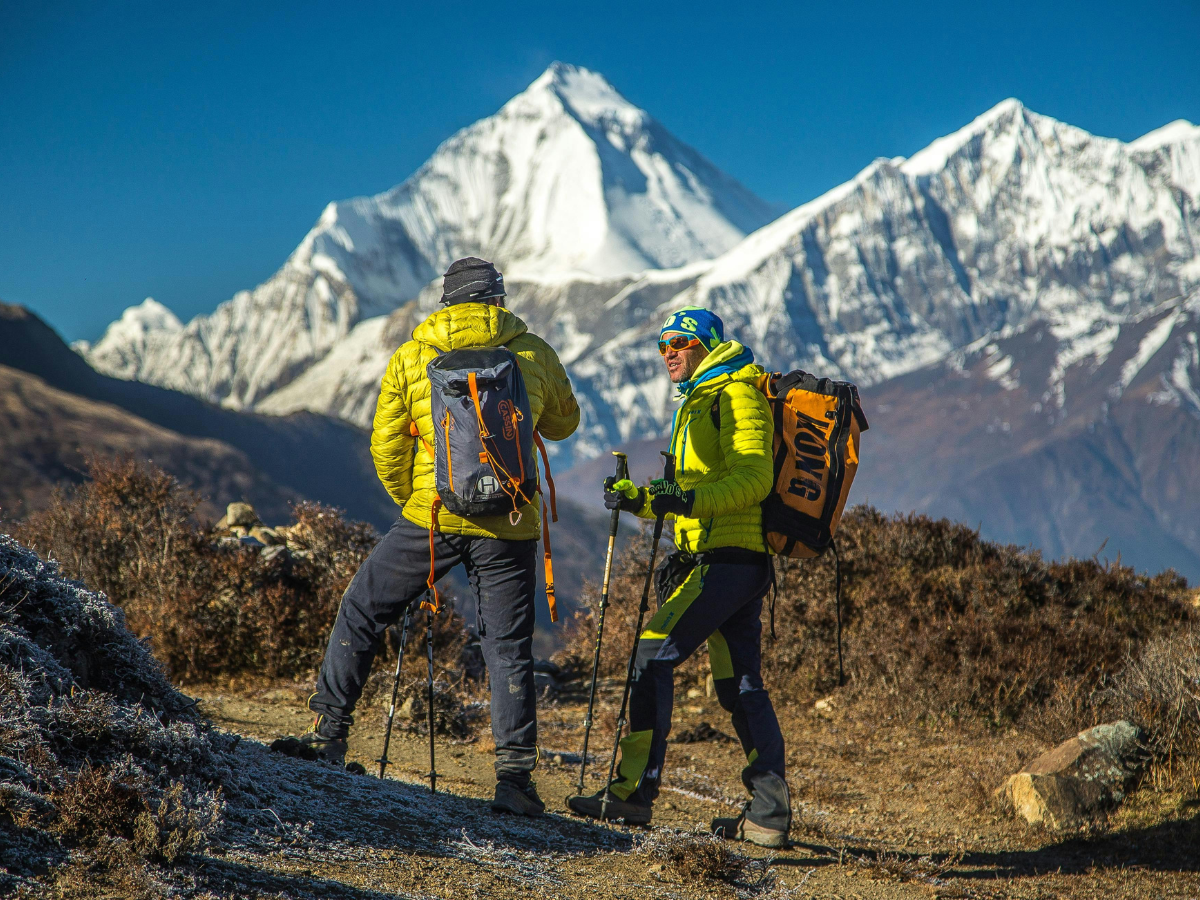
The Annapurna Circuit is a long-distance trekking route that loops around the entire Annapurna massif in Nepal. The full route covers roughly 160 to 230 kilometers, depending on where you start and finish. You pass through subtropical forests at lower elevations, then move through alpine terrain, and eventually cross the Thorong La Pass at 5,416 meters — that's over 17,700 feet. It's the highest point on the trek and one of the most talked-about mountain crossings in the world.
What makes it special isn't just the altitude. It's the variety. In one trip, you walk through rice paddies, past Buddhist monasteries, across glacial rivers, and into Mustang's dramatic high-desert landscape. You get snow, sunshine, rhododendron forests, and yak pastures — sometimes all in the same week.
For American trekkers, this route has become a bucket-list item because it offers extreme natural beauty without the extreme technical difficulty of, say, Everest Base Camp. You don't need climbing experience. You do need solid fitness, good planning, and someone you can trust on the ground in Nepal.
Why So Many Trek Plans Fall Apart — And How to Avoid That
What usually goes wrong for first-time trekkers?
The most common failure point isn't the trekking itself — it's the planning. Trekkers from the US often book through large international booking platforms that outsource everything to local sub-agencies. By the time you're actually on the trail, nobody knows who's responsible for what.
Other frequent problems include:
Wrong season timing. The Annapurna Circuit has two main windows — spring (March to May) and fall (October to November). Trekking in monsoon season (June to September) means flooded trails, leeches, and poor visibility. Trekking in deep winter can mean closed passes and extreme cold. Yet plenty of travelers show up outside these windows and wonder why everything is harder than expected.
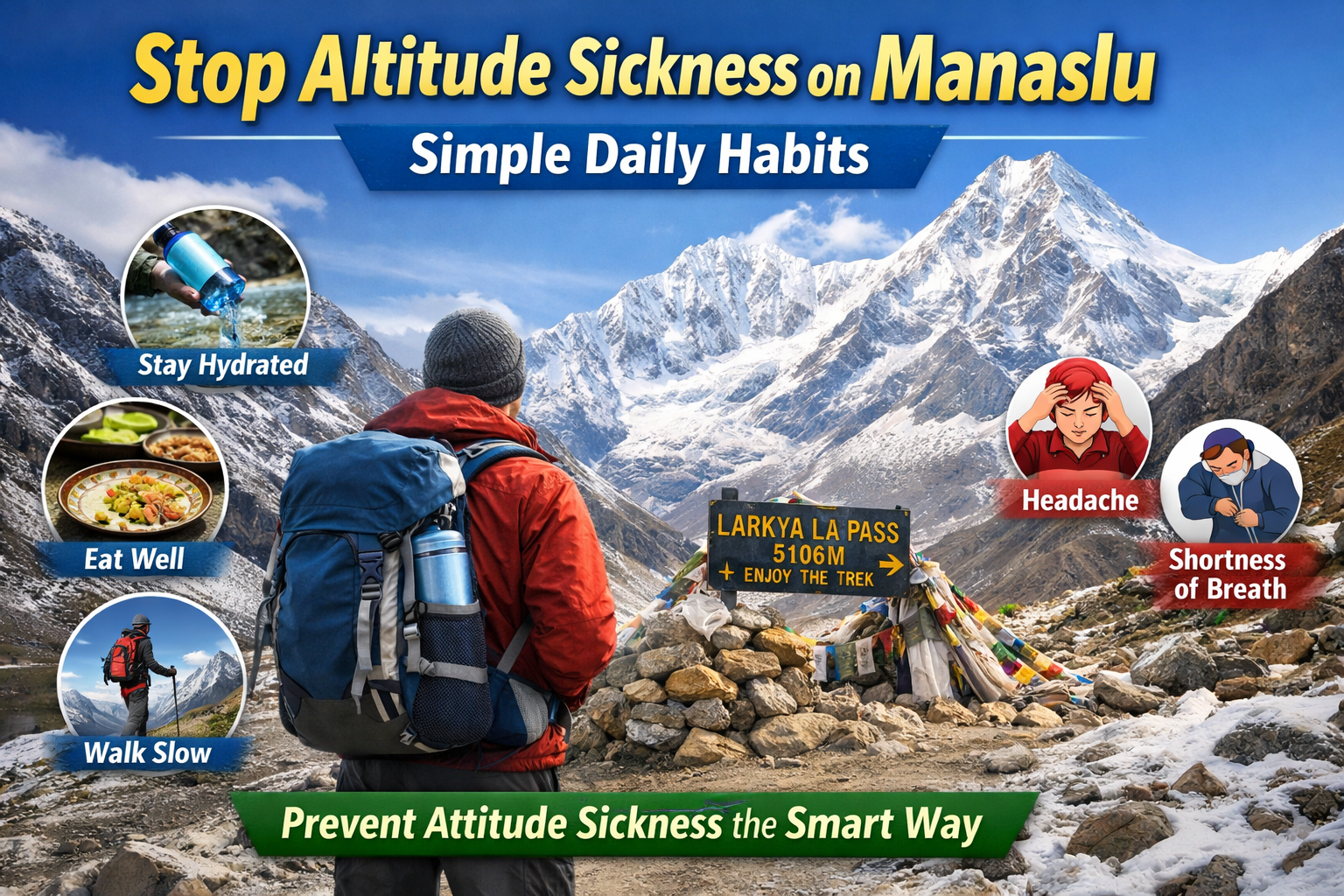
Skipping acclimatization days. Altitude sickness is real. Acute Mountain Sickness (AMS) affects between 25% and 50% of trekkers at elevations above 3,000 meters, according to data from the Wilderness Medical Society. Rushing the itinerary to save a day or two is one of the biggest causes of helicopter rescues on this route.
No proper permits. Nepal requires two permits for the Annapurna Circuit: the Annapurna Conservation Area Permit (ACAP) and the TIMS (Trekkers' Information Management System) card. Getting caught without these can mean fines or being turned back at checkpoints.
Hiring unregistered guides. Nepal's Tourism Board licenses guides for a reason. An unlicensed guide may not know first aid, may not speak English well enough to communicate emergencies, and has no accountability if something goes wrong.
What Does a Trusted Trek Service Actually Provide?
Is it worth paying for a guided trek vs. going solo?
Short answer: yes, especially for first-timers or anyone trekking without serious high-altitude experience. Here's what a reliable, professional agency like Nepal Hiking Team actually handles for you:
Pre-trip logistics. This includes permit acquisition, airport pickup, gear checks, and a proper pre-trek briefing. If you've never organized a multi-week Himalayan trek before, the coordination involved is genuinely complex. Doing it yourself while managing a full-time job back in the US is harder than it sounds.
Certified, experienced guides. A licensed Nepali guide knows the trail conditions in real time, speaks with teahouse owners in their local language, can spot early signs of altitude sickness, and knows the evacuation routes if things go sideways. That's not something you can Google your way around at 5,000 meters.
Porters who carry fair weight. Reputable agencies follow Nepal's porter welfare guidelines — maximum loads, proper clothing and shelter, fair wages. Cheaper operators cut corners here, and it shows in the service you receive on trail.
Flexible itineraries. Things change in the mountains. A good agency builds rest days and buffer time into your schedule. A bad one locks you into a rigid program that falls apart the moment it snows unexpectedly or someone needs a slower pace.
Emergency support. Helicopter evacuation insurance is strongly recommended (and often required by professional agencies). A trusted operator will have relationships with rescue coordinators and will know exactly who to call if there's a medical emergency.
The Annapurna Circuit: Route Highlights You Shouldn't Miss
Which sections of the route are most worth the effort?
The trek is typically done from east to west — starting in Besisahar and finishing in Nayapul or Pokhara. Here's a quick breakdown of the sections most trekkers talk about long after they get home:
Manang Valley (3,519m). This is where you first really feel the altitude. Most itineraries build in a full acclimatization day here — usually a hike up to the Ice Lake at 4,600 meters. It's one of the most important days on the whole trek.
Thorong La Pass (5,416m). The big one. Most groups start the crossing at 3 or 4 AM to reach the pass before afternoon winds hit. It's exhausting, cold, and one of the most rewarding mornings you'll ever have. The descent to Muktinath is steep and takes several more hours.
Muktinath Temple. A sacred Hindu and Buddhist pilgrimage site at 3,710 meters. Many trekkers reach this point and feel the shift — from mountain wilderness into a more culturally rich landscape.
Mustang Region. The lower Mustang section of the circuit, especially around Marpha and Jomsom, has a completely different feel. It's drier, the architecture changes, and the apple orchards and distilleries are a genuine surprise for most Western trekkers.
Tatopani Hot Springs. After weeks of cold mountain air, soaking in the natural hot springs at Tatopani is genuinely restorative. It's one of the little rewards the circuit saves for near the end.
Choosing the Right Service Provider from the USA
How do you vet a Nepal trekking company from overseas?
This is a fair question — and it's where a lot of people either get it right or get burned. When you're booking from the US, you're trusting an agency you've never met in person, in a country you may never have visited, for a trip that involves real physical risk.
Here's what actually matters when choosing:
Government registration. Legitimate agencies are registered with Nepal's Tourism Board and the Trekking Agencies' Association of Nepal (TAAN). Ask for their registration number and verify it directly on Nepal's government tourism portal.
Transparent pricing. A package price that seems too low — say, under $700 for a full circuit trek — usually means something is being cut. Either the guides aren't licensed, the permits aren't included, or the accommodation standards are below what's described.
Real reviews from real people. Tripadvisor and Google reviews are useful, but also look for detailed first-person accounts on trekking forums like TrekEarth or hiking communities on Reddit. Look for reviews from American trekkers specifically — they tend to flag the things that matter to a Western traveler.
Direct communication. Email the agency with specific questions before you book. How they respond — how quickly, how thoroughly, how professionally — tells you a lot about how they'll handle things when you're actually on the mountain.
Nepal Hiking Team is a Kathmandu-based agency with years of experience running guided circuits for international trekkers, including many from the US. They hold all required government certifications and have an established track record of safety-first trekking.
Practical Tips for US Trekkers Planning the Annapurna Circuit
Book flights to Kathmandu at least three to four months in advance if you're traveling in peak season. October and November are extremely popular, and accommodation in Pokhara and Kathmandu fills fast.
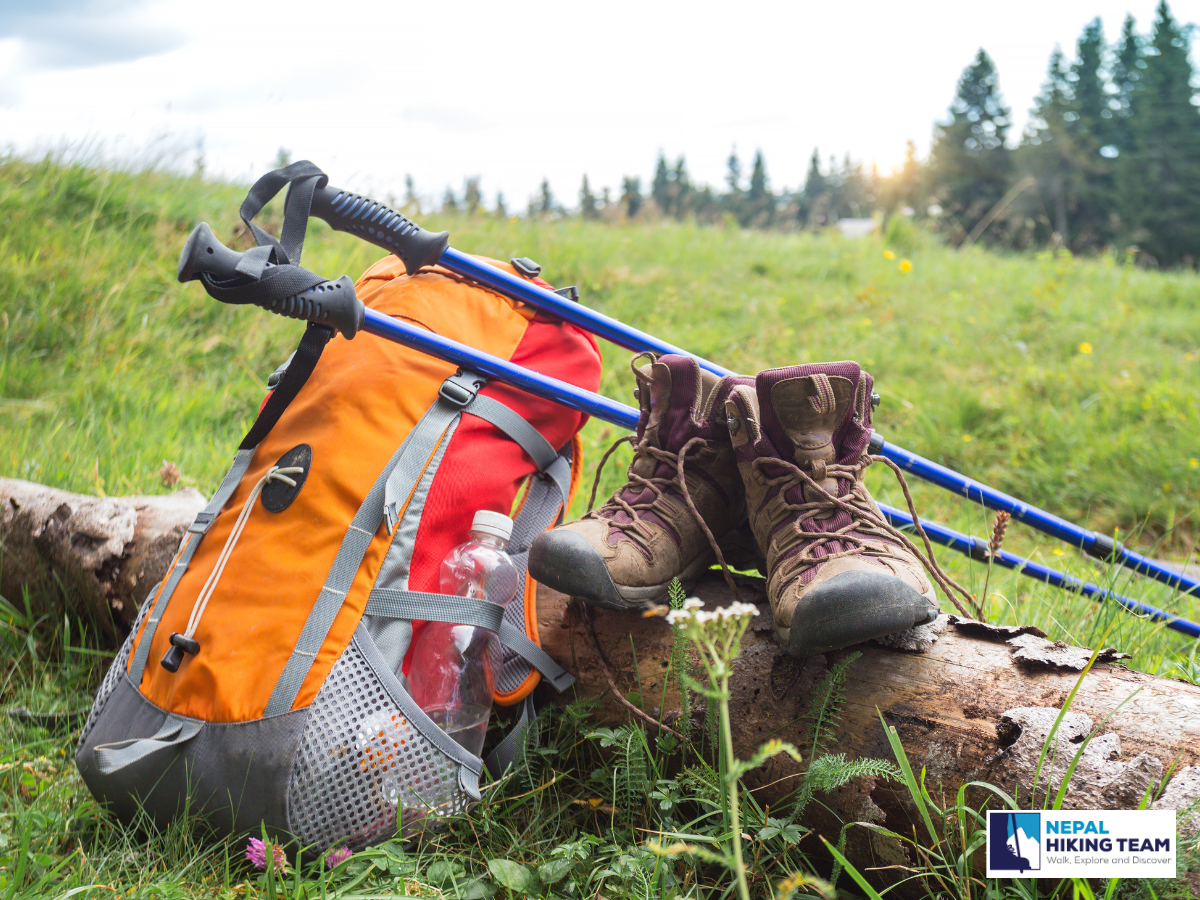
Pack light, really light. Everything you don't need becomes dead weight above 4,000 meters. A good guide will help you pare down your gear list. Most trekkers carry a daypack of 10–15 kilograms maximum, with porters handling the rest.
Get your vaccinations sorted. The CDC recommends typhoid, hepatitis A and B, and rabies vaccines for Nepal travel. Malaria prophylaxis isn't needed for the circuit itself but may apply to lower Terai regions if you extend your trip.
Don't skip travel insurance. Standard US travel insurance rarely covers helicopter evacuation. Look specifically for policies that include high-altitude trekking and helicopter rescue — World Nomads is one commonly used option among adventure travelers.
Download offline maps before you go. Cell signal is patchy on much of the circuit. Apps like Maps, or Gaia GPS with downloaded Annapurna maps can be genuinely useful in a pinch.
Conclusion
The Annapurna Circuit isn't just a trail — it's a full experience that changes the way you think about physical limits, natural beauty, and what you're actually capable of. But that experience depends heavily on how well you've prepared and who you've trusted to help you get there.
Too many travelers from the US underestimate the planning side and overestimate how much they can improvise at altitude. The mountain doesn't care about your confidence. What it responds to is preparation.
Nepal Hiking Team has helped hundreds of international trekkers make this journey safely and memorably. From permit handling and licensed guides to emergency protocols and flexible itineraries, they cover the things that actually matter — so you can focus on the trail.
If this is your year, start the conversation early. The Annapurna Circuit rewards those who show up ready.
Frequently Asked Questions
How long does the Annapurna Circuit trek take?
Most trekkers complete the trek in 12 to 21 days. A 16-day itinerary works well for many travelers.
Is the Annapurna Circuit safe for solo American travelers?
Yes, but hiring a licensed guide is safer, especially for first-time Himalayan trekkers.
What is the best time to do the Annapurna Circuit trek?
October and November offer clear skies and stable weather. Spring months are also popular.
How much does a guided Annapurna Circuit trek cost?
Most guided packages cost between $1,200 and $2,500 depending on services and group size.
Do I need trekking experience for the Annapurna Circuit?
No technical climbing skills are needed, but good fitness and hiking experience are helpful.




Write a comment ...